
As I was rummaging through my fridge the other day, I stumbled upon a colorful assortment of vegetables begging to be transformed into something delicious. That’s when it hit me—Healthy Sautéed Vegetables! This vibrant side dish not only brings a burst of color to your plate but also packs a nutritious punch, making it perfect for those busy weeknights or meal prep sessions. With just a handful of ingredients, you’ll whip up this quick and flavorful accompaniment that anyone in your family will adore. Plus, it’s incredibly versatile, so feel free to mix and match your favorite seasonal veggies and spices to make it your own. Curious about how to elevate your mealtime with this easy, healthy recipe? Let’s dive in!
Why You’ll Love Sautéed Vegetables
Quick Preparation: This recipe takes just minutes to prep and cook, making it perfect for those hectic evenings.
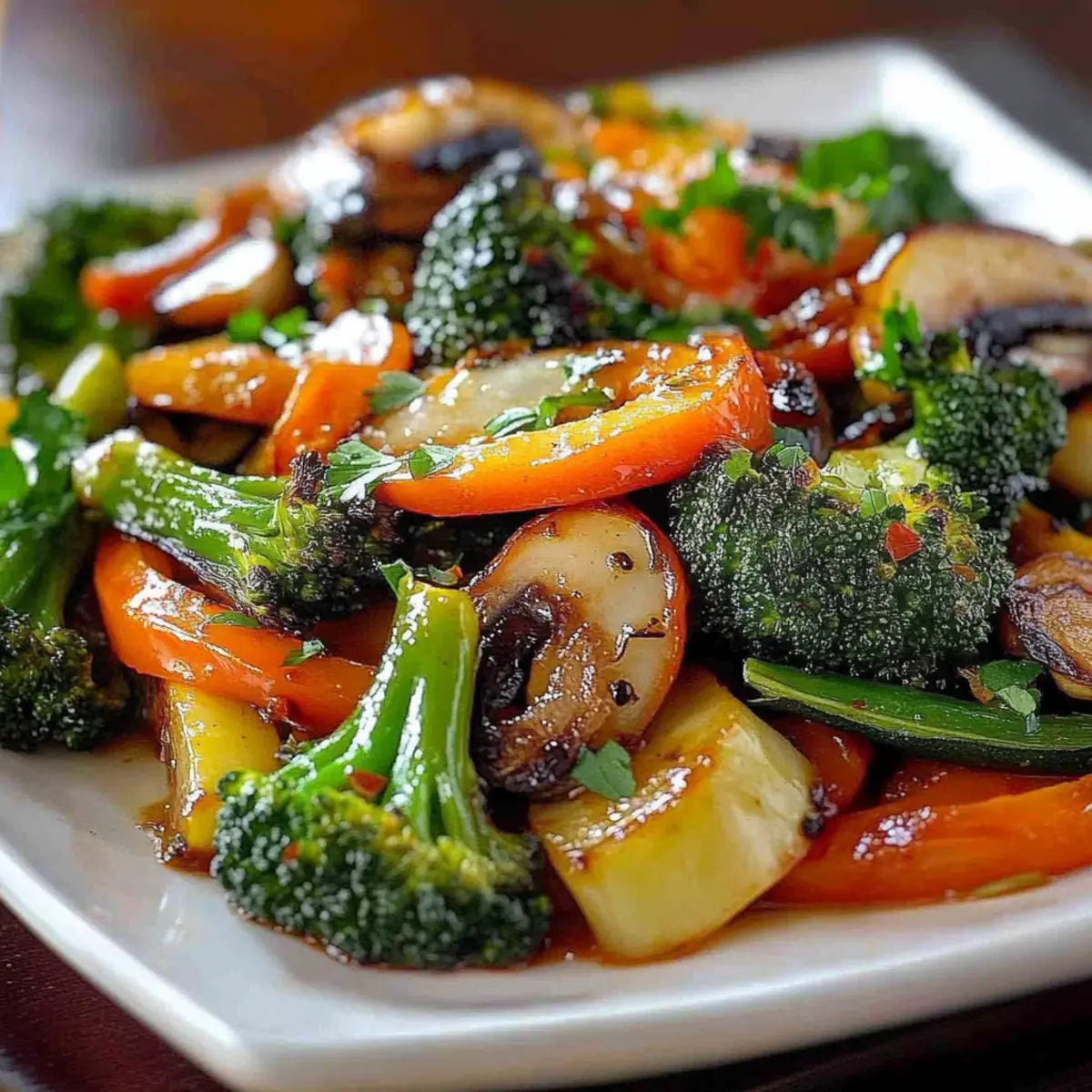
Vibrant Colors: A stunning variety of vegetables creates a feast for the eyes, ensuring your meal is as visually appealing as it is tasty.
Endless Variations: Switch up the flavor profiles with different seasonings, such as soy sauce for an Asian twist or lemon juice for a Mediterranean kick—explore ideas like Cottage Cheese Spinach to enhance your meals.
Nutrient-Rich: Packed with vitamins and minerals, these sautéed vegetables are a guilt-free way to boost your nutrition without sacrificing flavor.
Perfect Meal Prep: They store well in the fridge and reheat beautifully, making this dish ideal for meal prepping in advance.
By integrating these vibrant veggies into your cooking repertoire, every meal can feel special!
Healthy Sautéed Vegetables Ingredients
Discover the vibrant components of this nutritious recipe!
For the Sauté
• Olive oil – A perfect cooking medium that adds flavor; can be swapped with avocado oil or butter for a different taste.
• Garlic – Fresh cloves add the best aromatic kick; feel free to roast for added sweetness.
• Onion – Adds depth and sweetness; thinly sliced allows for quick cooking.
For the Veggie Medley
• Bell pepper – Brings both color and crunch; any variety works beautifully, so mix and match!
• Zucchini – Provides a tender, juicy texture; cut into half-moons for even cooking.
• Broccoli florets – Nutrient-rich and vibrant; make sure they are uniform in size for even sautéing.
• Carrot – Adds a delightful sweetness and bright color; julienned or thinly sliced helps with quick cooking.
• Snap peas – Offers crispness and natural sweetness; green beans can be a great substitute.
• Mushrooms – Infuses the dish with umami depth; sliced for even cooking.
Seasoning & Flavor Boosters
• Salt and black pepper – Essential for seasoning; adjust to your preference to enhance flavors.
• Lemon juice – Brightens up the dish and adds a refreshing zing, best when freshly squeezed.
• Balsamic vinegar or soy sauce – Optional tangy additions that deepen the flavor profile.
Toppings
• Toasted nuts or seeds – Adds crunch and richness; try almond slivers or sesame seeds for variation.
• Fresh herbs – Like basil or parsley; they can elevate the taste and add a fresh note.
• Grated Parmesan – Optional for a cheesy finish if you’re not strictly vegan.
With these ingredients, you’ll create Healthy Sautéed Vegetables that bring vibrant colors and flavors to your table!
Step‑by‑Step Instructions for Healthy Sautéed Vegetables
Step 1: Prep Vegetables
Start by thoroughly washing all your vegetables. Peel the carrot and slice it thinly, julienne it if possible. Dice the onion and garlic finely, then cut the bell pepper into strips, slice the zucchini into half-moons, and chop the broccoli into bite-sized florets. Finally, prepare the snap peas and mushrooms by trimming them as needed. Having everything ready will ensure a smooth cooking process.
Step 2: Heat Pan
Place a large skillet over medium-high heat and add 1-2 tablespoons of olive oil. Allow the oil to heat for about 1-2 minutes until shimmering but not smoking. The heated oil will create a non-stick surface for sautéing and enhance the flavors of your Healthy Sautéed Vegetables.
Step 3: Cook Aromatics
Add the minced garlic and sliced onion to the hot oil. Sauté for about 1-2 minutes, stirring frequently until the onion becomes translucent and the garlic is fragrant, releasing its aromatic goodness. This step builds a flavorful foundation for the rest of the vegetables.
Step 4: Add Harder Vegetables
Next, introduce the sliced carrots and broccoli florets to the pan. Sauté them for about 3-4 minutes, stirring consistently to ensure even cooking. The goal here is to lightly soften these vegetables while retaining their vibrant colors and a bit of their crunch, which will add texture to your Healthy Sautéed Vegetables.
Step 5: Add Softer Vegetables
Now, it’s time to add the bell peppers, zucchini, mushrooms, and snap peas into the skillet. Continue to sauté for another 4-5 minutes, stirring frequently until the vegetables are tender yet crisp. The beautiful medley of colors will come together, creating a visual feast as well as a nutritious side dish.
Step 6: Season and Finish
Once the vegetables reach your desired tenderness, season them with salt, black pepper, and any optional flavor boosters like lemon juice or soy sauce. Toss everything together over the heat for about a minute to meld the flavors, and then remove the skillet from the heat, ready to serve your vibrant Healthy Sautéed Vegetables immediately.
Make Ahead Options
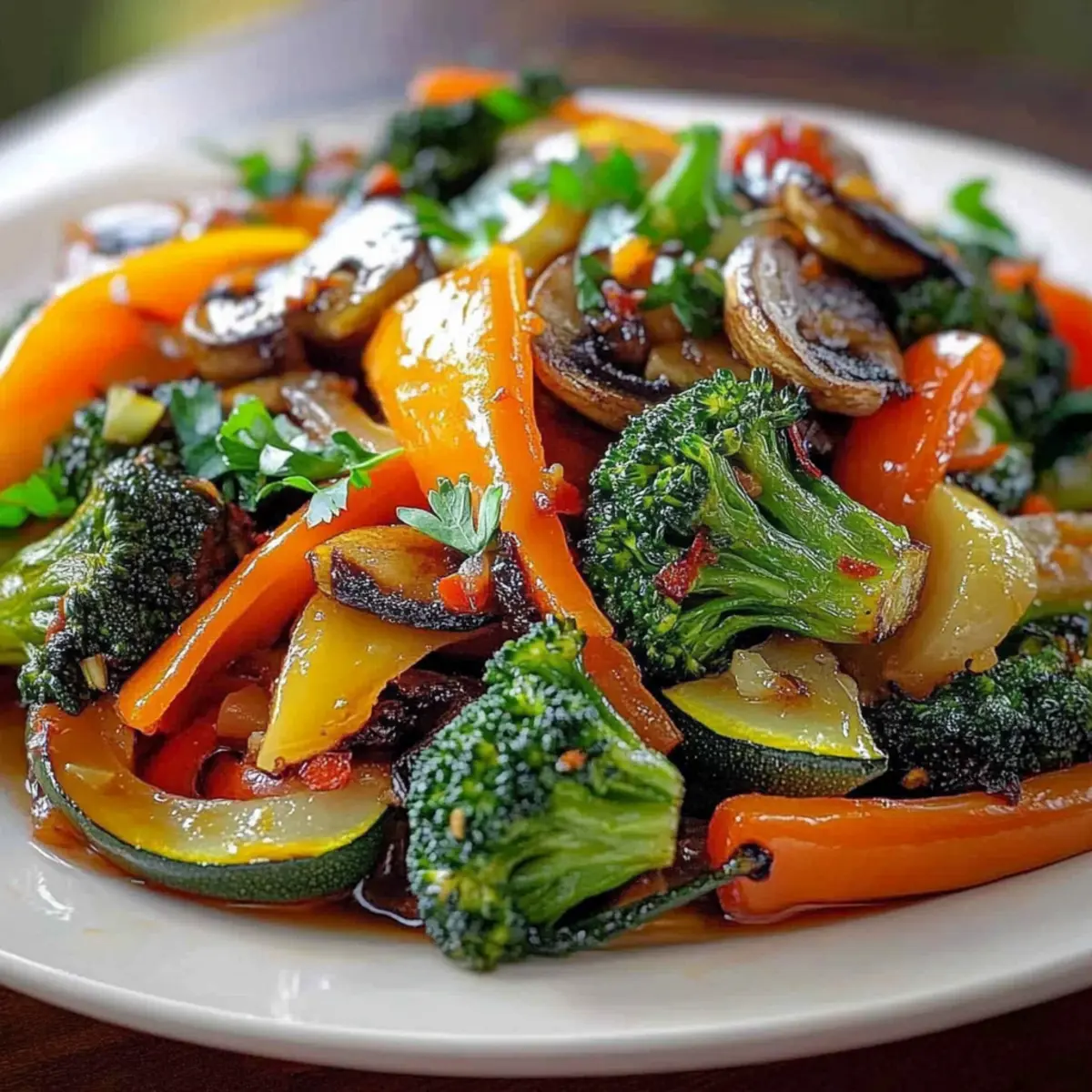
These Healthy Sautéed Vegetables are a fantastic choice for meal prep, allowing you to save valuable time during busy weeknights! You can chop and refrigerate all your vegetables (like bell peppers, zucchini, carrots, and broccoli) up to 24 hours in advance, storing them in an airtight container to maintain freshness. When it’s time to cook, simply heat some oil in a skillet, sauté your aromatics, and add your prepped veggies—this keeps your cooking process smooth and quick. To ensure the vegetables remain crisp and vibrant, avoid overcrowding the pan while cooking. Finish with your favorite seasonings, and you’ll have a nutritious side ready to accompany any meal with minimal effort!
What to Serve with Healthy Sautéed Vegetables
Enhance your meal with delightful pairings that complement the vibrant flavors of sautéed vegetables.
-
Quinoa Salad: A nutty quinoa salad adds a hearty texture while offering a complete protein, making your meal well-rounded.
-
Grilled Chicken: Juicy grilled chicken brings a savory element that pairs beautifully with the fresh, crisp taste of the sautéed veggies.
-
Brown Rice: Nutty brown rice serves as a wholesome base, soaking up the flavors from the sauté, creating a satisfying combination.
-
Lentil Soup: A warm lentil soup adds hearty goodness and complements the lightness of the sautéed vegetables perfectly.
-
Pasta: Toss cooked pasta with a drizzle of olive oil and your sautéed veggies for a quick and delicious veggie-forward dish.
-
Hummus and Pita: Serve with creamy hummus and warm pita on the side; the dip adds a smooth, rich flavor that enhances every bite.
-
Steamed Fish: Flaky, steamed fish provides a delicate protein that adds a light and refreshing contrast to your colorful sautéed mix.
-
Tzatziki Sauce: A cool tzatziki sauce elevates the dish with tangy flavors while pairing nicely with the warmth of the sauté.
Try these delightful options to create a full, vibrant meal that your family will love!
Expert Tips for Healthy Sautéed Vegetables
-
Don’t Overcrowd: Cook in batches if necessary. Overcrowding the pan can result in steamed vegetables instead of a nice sauté, diminishing flavor and texture.
-
Sneak in Nutrition: Add leafy greens like spinach or kale in the last minute of cooking for an extra nutritional boost to your Healthy Sautéed Vegetables.
-
Heat Matters: Maintain medium-high heat throughout cooking. This ensures vegetables cook evenly and remain vibrant and crisp instead of becoming mushy.
-
Flavorful Finish: Experiment with different herbs or spices at the end. Fresh basil or a dash of chili flakes can elevate the flavor profile of your dish.
-
Fresh Ingredients: Always choose fresh and seasonal vegetables for the best taste and nutritional value; they make your Healthy Sautéed Vegetables sing with flavor.
-
Make Ahead: Chop vegetables beforehand and refrigerate. This quick prep will save time on busy nights and allow you to enjoy this dish effortlessly!
Healthy Sautéed Vegetables Variations
Feel free to get creative with this recipe and explore delightful twists for your sautéed veggies!
-
Dairy-Free: Substitute Parmesan with nutritional yeast for a cheesy flavor without dairy.
-
Spicy Addition: Add diced jalapeños or cayenne pepper for a fiery kick that elevates the dish.
-
Mediterranean Flavor: Swap the soy sauce for lemon juice, olive oil, and fresh oregano, topped with crumbled feta for an enticing twist.
-
Nutty Sesame: Drizzle with sesame oil and garnish with toasted sesame seeds for a nutty depth.
-
Southwestern Style: Incorporate black beans and corn, seasoned with cumin and paprika for a zesty southwestern vibe.
-
Honey-Balsamic Glaze: Add a drizzle of honey and balsamic vinegar for a touch of sweetness that balances the savory flavors beautifully.
-
Herbal Infusion: Toss in fresh herbs like cilantro or dill just before serving to brighten up the dish.
-
Roasted Veggies: Opt for roasting instead of sautéing for a richer flavor. Simply toss the veggies in oil and spices, then roast until tender and caramelized.
With these variations, your Healthy Sautéed Vegetables can go from simple to spectacular, fulfilling every flavor craving. Enjoy exploring these options, and don’t hesitate to check out Cottage Cheese Spinach for more culinary inspiration!
How to Store and Freeze Healthy Sautéed Vegetables
Fridge: Store leftover sautéed vegetables in an airtight container for up to 3-4 days. Reheating works best in a skillet with a splash of oil to restore moisture.
Freezer: If you want to enjoy them later, freeze the sautéed vegetables in a single layer on a baking sheet, then transfer to a freezer bag for up to 2 months.
Reheating: Thaw frozen vegetables overnight in the fridge. Sauté in a pan over medium heat for about 5 minutes, ensuring they’re heated through before serving.
Wrapping: Use parchment paper or foil if cooling before storing in a container, as this helps prevent excess moisture and maintains the texture of your Healthy Sautéed Vegetables.
Healthy Sautéed Vegetables Recipe FAQs
How do I choose ripe vegetables for sautéing?
Absolutely! When selecting vegetables, aim for those that are firm and vibrant in color. Look for bell peppers that are glossy without blemishes, zucchini that feel heavy for their size, and broccoli with tightly packed florets. Avoid any with dark spots or signs of wilting, as these indicate overripeness.
How do I store leftover sautéed vegetables?
You can store any leftover Healthy Sautéed Vegetables in an airtight container in the refrigerator for 3-4 days. Just make sure they’ve cooled down before sealing them up, as this helps prevent excess moisture. When you’re ready to enjoy them again, simply reheat in a skillet with a splash of oil or water to restore moisture and bring them back to life!
Can I freeze sautéed vegetables?
Yes, you certainly can! To freeze your Healthy Sautéed Vegetables, first, spread them out in a single layer on a baking sheet and place that in the freezer until they’re firm (about 1-2 hours). Afterward, transfer the vegetables to a freezer-safe bag or container, and they can be stored for up to 2 months. When ready to eat, thaw them overnight in the fridge and sauté them over medium heat for about 5 minutes to rewarm.
What should I do if my vegetables become mushy when sautéing?
Very often, mushy vegetables result from overcrowding the pan. Cook in batches instead to give each piece enough space to fry instead of steam. Another tip is to keep your heat at medium-high for that perfect crispness. Remember to stir regularly but not too often—this will help maintain their texture while cooking!
Are there any dietary considerations for sautéing vegetables?
Absolutely! This Healthy Sautéed Vegetables recipe is vegan and vegetarian-friendly, making it suitable for most dietary needs. If you’re concerned about allergens, check that none of your seasonings contain ingredients you might be allergic to. If serving to pets, be cautious with ingredients like onions and garlic, which can be harmful to animals. Always better to stay on the safe side!
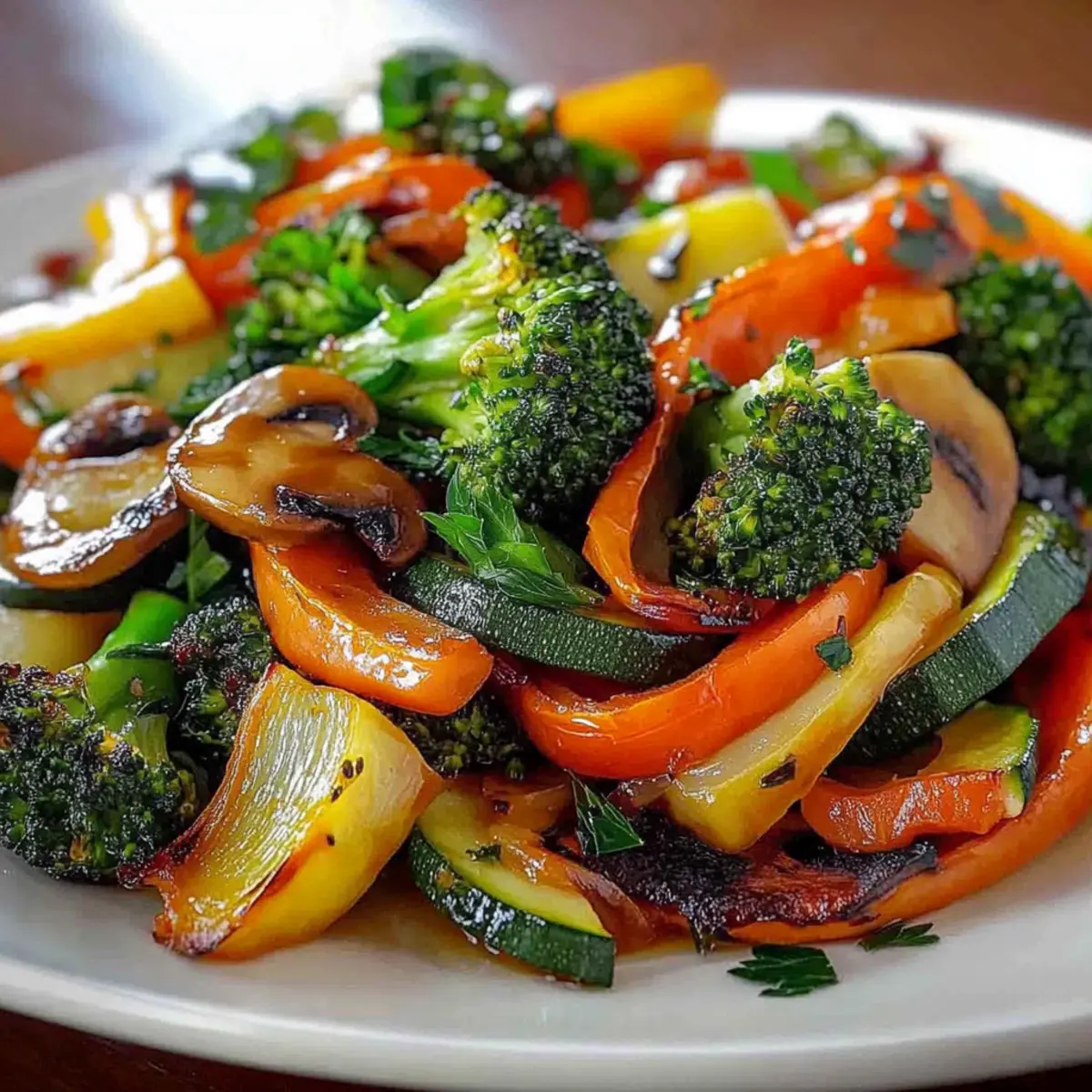
Healthy Sautéed Vegetables: Quick, Colorful & Delicious Side
Ingredients
Equipment
Method
- Start by thoroughly washing all your vegetables. Peel the carrot and slice it thinly, julienne it if possible. Dice the onion and garlic finely, then cut the bell pepper into strips, slice the zucchini into half-moons, and chop the broccoli into bite-sized florets. Finally, prepare the snap peas and mushrooms by trimming them as needed.
- Place a large skillet over medium-high heat and add 1-2 tablespoons of olive oil. Allow the oil to heat for about 1-2 minutes until shimmering but not smoking.
- Add the minced garlic and sliced onion to the hot oil. Sauté for about 1-2 minutes, stirring frequently until the onion becomes translucent and the garlic is fragrant.
- Next, introduce the sliced carrots and broccoli florets to the pan. Sauté them for about 3-4 minutes, stirring consistently to ensure even cooking.
- Now, it’s time to add the bell peppers, zucchini, mushrooms, and snap peas into the skillet. Continue to sauté for another 4-5 minutes, stirring frequently until the vegetables are tender yet crisp.
- Once the vegetables reach your desired tenderness, season them with salt, black pepper, and any optional flavor boosters like lemon juice or soy sauce. Toss everything together over the heat for about a minute to meld the flavors.
Leave a Reply