
The aroma of freshly baked eggs wafted through the kitchen, instantly reminding me of the cozy brunches shared with friends. If you’re looking for an easy way to elevate your breakfast game, let me introduce you to these delightful Baked French Eggs. Each individual egg bakes to creamy perfection in just 15 minutes, making it the ultimate quick and easy dish to whip up for busy mornings or leisurely weekend brunches. With the high protein content and endless variations—think vibrant veggies or your favorite cheese—these baked beauties are not only a crowd-pleaser but also a fantastic way to add a gourmet touch to your table. What flavor combination will you try first?
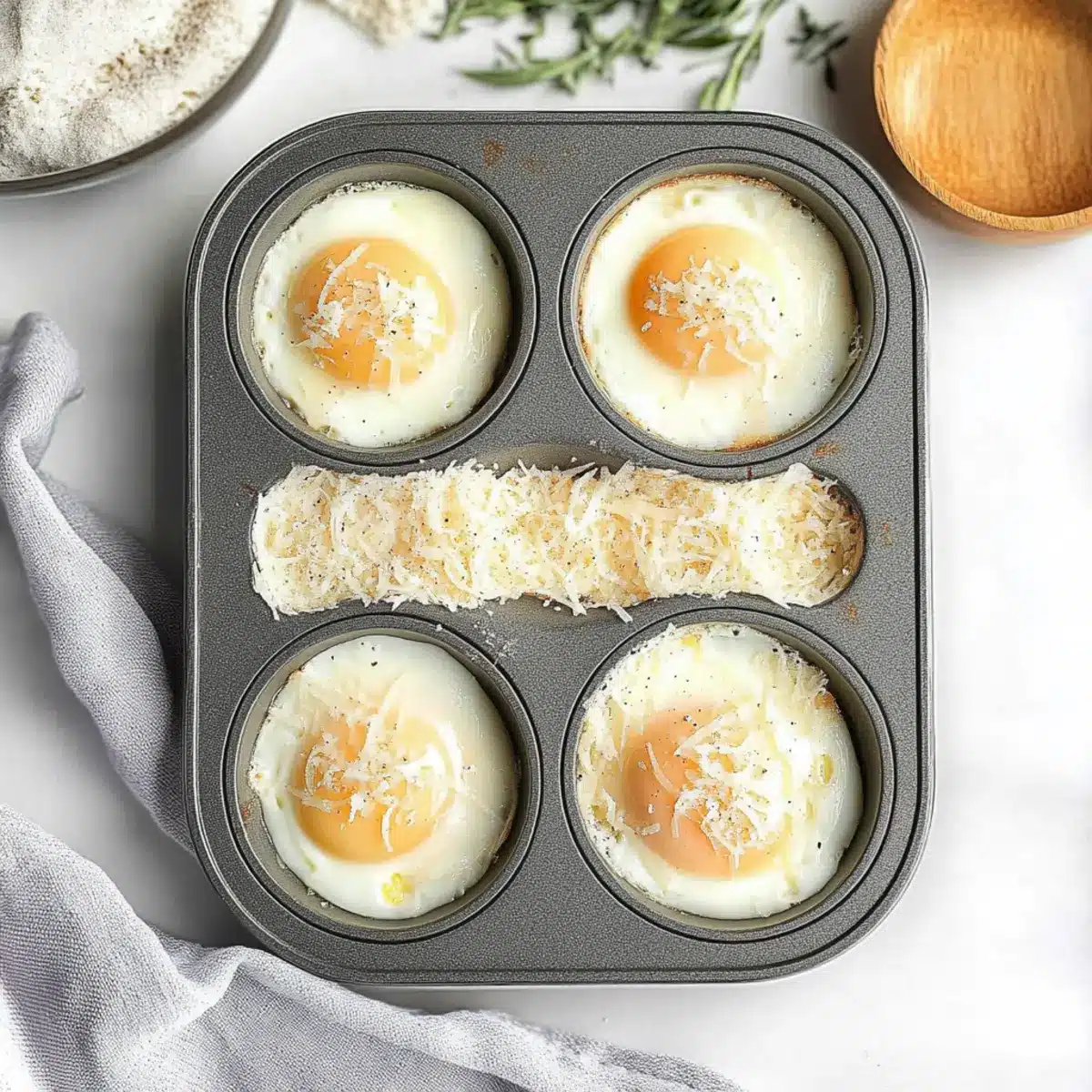
Why Are Baked French Eggs Amazing?
Creamy and Delicious: Each egg is enveloped in a rich, creamy texture, creating a delightful taste experience that rivals any café dish.
Quick Preparation: Ready in just 15 minutes, these baked beauties fit seamlessly into your busy mornings or relaxed brunches.
Versatile Options: Feel free to mix and match ingredients! Add sautéed vegetables or different cheeses to customize your dish to perfection. Consider trying suggestions from our Baked Cod Coconut recipe for delicious pairings.
High-Protein Goodness: Packed with protein, these eggs keep you satisfied and energized throughout your day—making them not just tasty but also nutritious.
Impressive Presentation: With their individual muffin-sized servings, they’re perfect for entertaining friends and family or simply treating yourself.
Get ready to embrace the wonderfulness of baked eggs—your mornings are about to get a delicious makeover!
Baked French Eggs Ingredients
• Dive into the world of Baked French Eggs with these essential ingredients!
For the Egg Base
- Eggs – The star of the dish that provides excellent protein and structure; any size works!
- Heavy Cream – Adds richness and creaminess; can be swapped with melted butter for a different flavor.
- Salt – Essential for enhancing taste; adjust the amount based on your preference.
- Black Pepper – A sprinkle to add a bit of heat and depth to your eggs; fresh ground is best.
For the Flavor Boost
- Parmesan Cheese – Offers a delightful nuttiness and creamy texture; substitute with your cheese favorites like Gruyere or Cheddar.
Optional Add-Ins
- Vegetables – Consider adding sautéed spinach, bell peppers, or mushrooms for a nutritious twist.
- Herbs – Fresh herbs like chives, parsley, or thyme can elevate the flavor profile beautifully.
Get ready to blend these fabulous ingredients and whip up a delicious batch of Baked French Eggs that will have everyone asking for seconds!
Step‑by‑Step Instructions for Baked French Eggs
Step 1: Preheat and Prepare
Begin by preheating your oven to 425°F (220°C). While the oven warms up, generously spray a muffin pan with butter-flavored cooking spray to ensure easy removal of your delicious Baked French Eggs. This critical step sets the stage for achieving delightful, evenly cooked egg bakes.
Step 2: Crack the Eggs
Once your oven is ready, carefully crack one egg into each muffin cup, creating individual servings. Be mindful not to break the yolk; a whole yolk adds a creamy richness to the baked French eggs. Ensure your muffin pan is positioned on a sturdy baking sheet for easy handling as it goes into the oven.
Step 3: Add Cream and Season
Drizzle 1-2 teaspoons of heavy cream—or melted butter, for a different flavor—over each egg, allowing the cream to envelop the yolk. Sprinkle salt and black pepper to taste, enhancing the natural flavors. Then, generously top each egg with grated Parmesan cheese, creating a beautiful layer of richness and a subtle nutty flavor.
Step 4: Bake to Perfection
Place the muffin pan in your preheated oven and bake the Baked French Eggs as follows: for soft, creamy yolks, bake for 7-8 minutes; for semi-soft, aim for 9-10 minutes; and for firmer centers, allow 11-12 minutes. Keep a close eye on them to ensure you achieve your desired doneness, as oven temperatures may vary.
Step 5: Garnish and Serve
Once baked to your liking, carefully remove the muffin pan from the oven, letting the Baked French Eggs cool slightly. Add an extra sprinkle of cheese on top for a delightful finishing touch. Serve these delicious egg bakes immediately for the best creamy texture, enjoying them warm right from their cozy muffin cups.
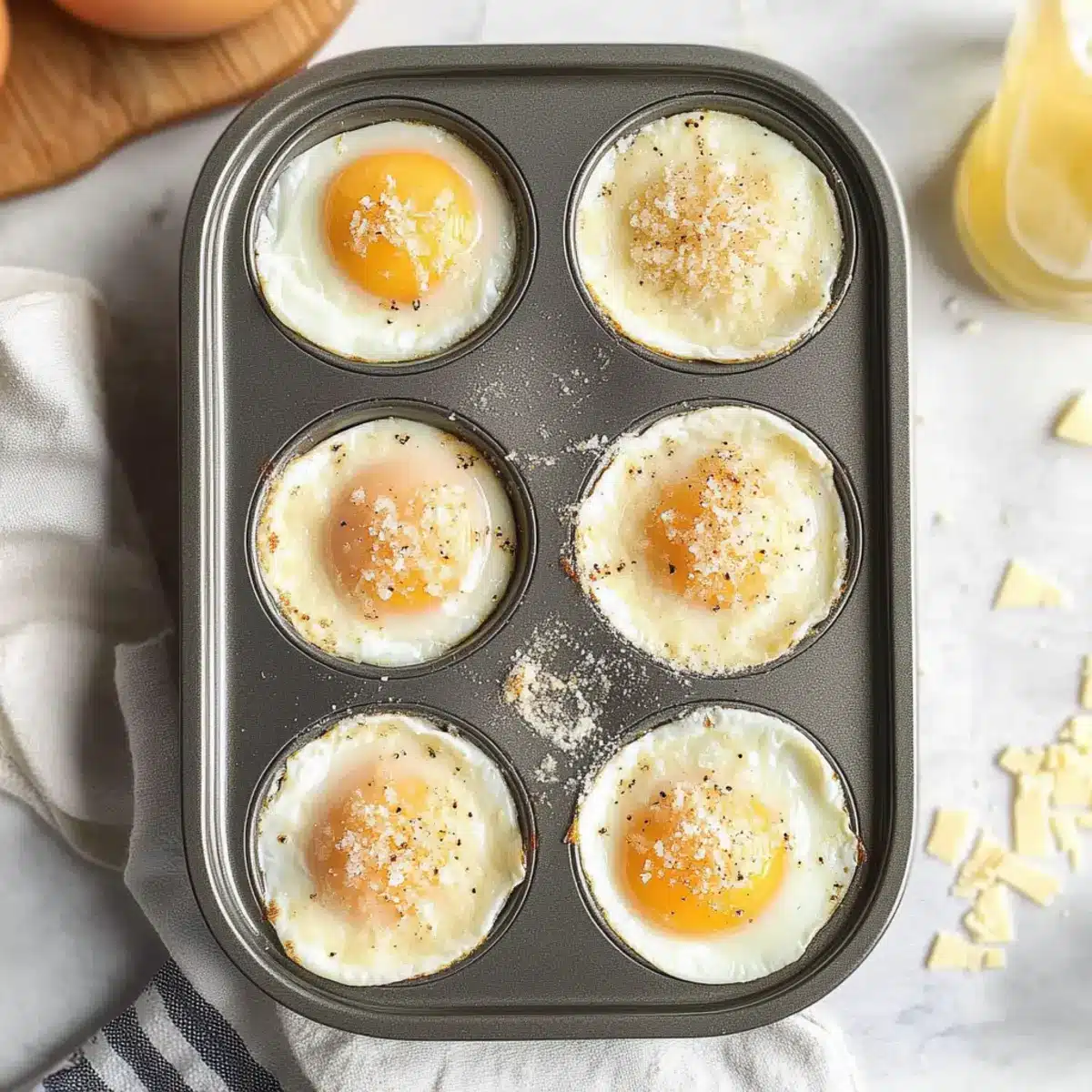
What to Serve with Baked French Eggs?
Elevate your breakfast experience with delightful pairings that bring out the rich flavors of these creamy egg bites.
-
Toasty Sourdough Bread: The crusty exterior and soft interior perfectly complement the creamy texture of the eggs. It’s ideal for soaking up every last bit of goodness!
-
Fresh Arugula Salad: A peppery salad with a light vinaigrette adds a refreshing contrast to the richness of the baked french eggs. Toss in some cherry tomatoes for an extra pop of flavor.
-
Crispy Bacon or Sausage Links: A classic breakfast choice that adds savory and salty flavors, balancing the creaminess of the eggs. Together, they create a satisfying and hearty meal.
-
Avocado Slices: Creamy avocados bring a lusciousness that pairs beautifully with the eggs. Sprinkle with lemon juice and a pinch of salt for a zesty twist.
-
Herbed Yogurt Sauce: A dollop of tangy yogurt, mixed with fresh herbs like dill or chives, enhances the flavors of the baked french eggs. It’s light yet flavorful, providing a lovely contrast.
-
Fresh Fruit Platter: Bright, juicy fruits like strawberries, blueberries, or citrus provide a sweet, refreshing contrast to the rich eggs. It rounds out the meal beautifully, making it colorful and inviting.
-
Mimosas or Fresh Orange Juice: A sparkling drink adds a celebratory touch to your breakfast table, enhancing the overall experience. The citrus notes pair perfectly with the richness of the eggs.
Let your creativity shine by mixing and matching these delicious sides for a gourmet brunch that will impress your family and friends!
Make Ahead Options
These Baked French Eggs are perfect for meal prep enthusiasts! You can crack the eggs into the muffin pan and add the cream, salt, pepper, and cheese up to 24 hours in advance, covering the pan tightly with plastic wrap or a lid to maintain freshness. Additionally, sautéing vegetables can be done up to 3 days ahead; store them airtight in the fridge to prevent spoilage. When you’re ready to bake, simply remove the wrap and bake them according to your desired doneness. With this prep, you’ll enjoy restaurant-quality baked eggs with minimal morning effort, making busy weekdays much easier.
Baked French Eggs Variations
Feel free to explore unique twists and substitutions for your Baked French Eggs, turning a delightful classic into a custom masterpiece!
-
Veggie-Packed: Add sautéed spinach, bell peppers, or mushrooms before cracking the eggs for added nutrition and flavor.
Add richness and color with vibrant veggies! Not only do they taste great, but they also up the health benefits of this dish. -
Cheesy Alternatives: Experiment with cheeses such as goat, feta, or Havarti to create different flavor profiles.
Each cheese brings its character to these eggs, transforming them from simple to gourmet in a single bite. -
Herb Infusion: Sprinkle fresh herbs like dill, parsley, or chives into the egg mixture for an aromatic lift.
Herbs can truly elevate your dish, providing freshness that compliments the creamy texture of the eggs beautifully. -
Spicy Kick: Mix in crushed red pepper flakes or diced jalapeños for a tantalizing heat that excites the palate.
A little spice can awaken your taste buds and make your breakfast unforgettable! -
Dairy-Free Delight: Replace heavy cream with coconut milk or a plant-based cream for a dairy-free version without sacrificing richness.
This swap retains the creaminess while accommodating dietary preferences, ensuring everyone can enjoy this savory treat. -
Flavorful Broth Base: Substitute half the cream with chicken or vegetable broth for a lighter and savory infusion.
This option keeps the dish moist while adding a delightful layer of umami flavor that will surprise and please! -
Savory Additions: Consider mixing in cooked bacon, ham, or smoked salmon for a delightful protein boost.
These additions not only enrich the flavor but also make the dish heartier and more satisfying. -
Gourmet Touch: Top with truffle oil or a sprinkle of smoked sea salt before serving for an elegant finish.
These simple additions can transform your Baked French Eggs into a restaurant-quality breakfast dish that truly impresses.
Feel inspired to try these variations! Whether you’re craving something spicy or want to keep it light and veggie-focused, there’s a perfect twist for every taste. You might even consider pairing these eggs with a light salad or some fresh fruits for balance. Enjoy the delicious journey!
How to Store and Freeze Baked French Eggs
Fridge: Store leftover Baked French Eggs in an airtight container for up to 3 days. Reheat in the microwave for 30 seconds or in the oven at 350°F until warmed through.
Freezer: You can freeze Baked French Eggs for up to 2 months. Place them in a freezer-safe container or wrap tightly, then reheat from frozen in the oven or microwave when you’re ready to enjoy.
Reheating: When reheating, cover with foil in the oven to maintain moisture. In a microwave, heat in short intervals, checking frequently to avoid overcooking.
Make-Ahead Tips: Prepare the egg base in advance and store it in the fridge overnight. Assemble and bake in the morning for a quick and easy breakfast treat!
Expert Tips for Baked French Eggs
-
Preheat Properly: Ensure your oven reaches 425°F before baking; this helps achieve the perfect creamy texture in your Baked French Eggs.
-
Watch the Time: Cooking times can vary; keep an eye on your eggs to avoid overcooking and missing that soft, dreamy yolk.
-
Experiment with Cheese: Don’t hesitate to explore different cheeses, like Gruyere or goat cheese, to add a unique twist to your Baked French Eggs.
-
Add Nutrient-Rich Veggies: Consider adding sautéed vegetables like spinach or mushrooms for a delicious flavor upgrade and extra nutrition.
-
Use the Right Bakeware: If using silicone muffin pans, be prepared for potential adjustments in cooking time; check for doneness occasionally.
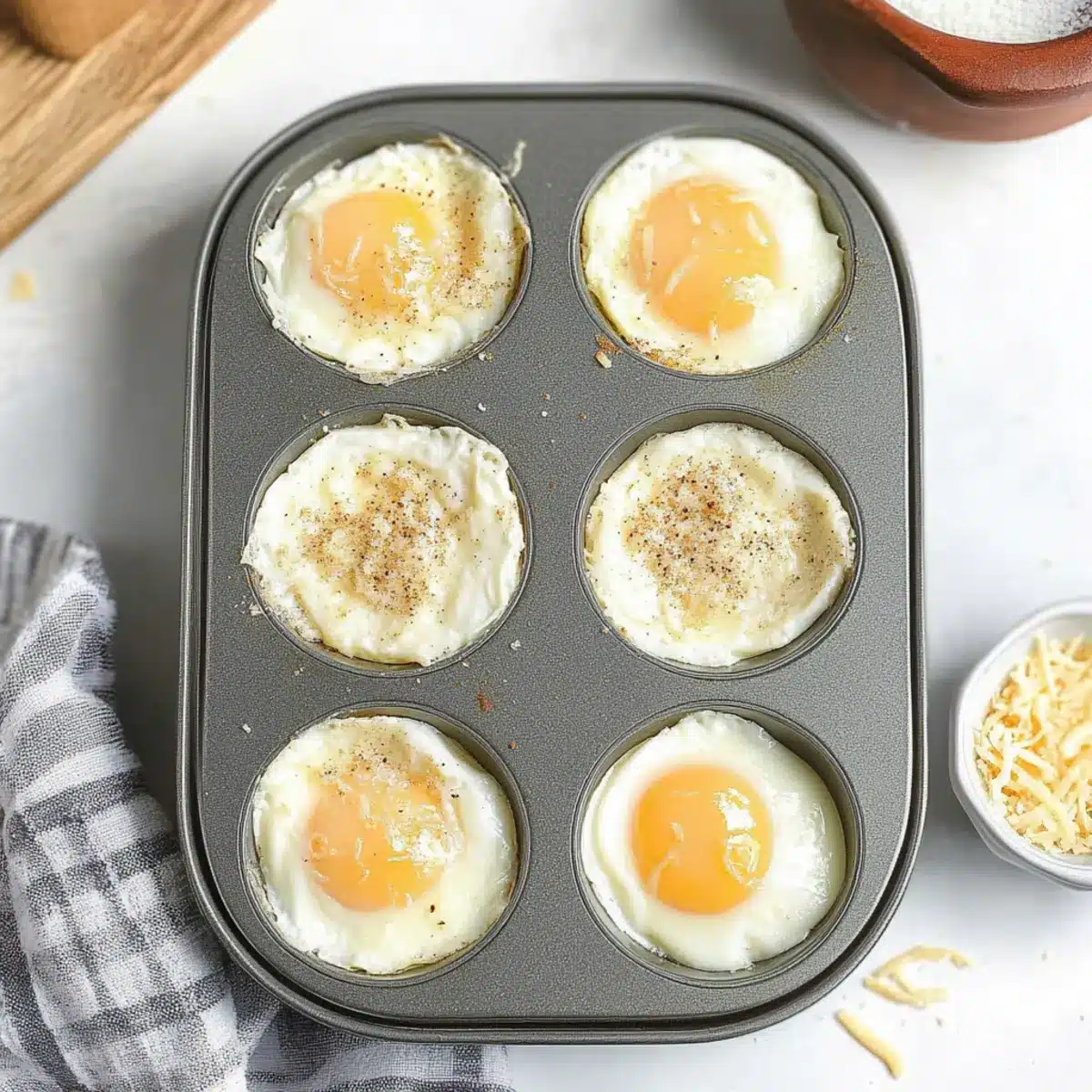
Baked French Eggs Recipe FAQs
What type of eggs should I use for Baked French Eggs?
Absolutely! You can use any size eggs for this recipe. Just remember that larger eggs may require a minute or two longer in the oven. Fresh eggs tend to yield the best flavor and texture, so grab some from your local market if you can!
How do I store leftover Baked French Eggs?
Very! To store leftover Baked French Eggs, place them in an airtight container in the fridge. They will stay fresh for up to 3 days. When you’re ready to enjoy them again, simply reheat them in the microwave for about 30 seconds or in a preheated oven at 350°F until warmed through.
Can I freeze Baked French Eggs?
Absolutely! You can freeze Baked French Eggs for up to 2 months. To do this, let them cool completely after baking, then transfer them into a freezer-safe container or wrap them tightly in plastic wrap and aluminum foil. When you’re ready to eat, just reheat from frozen—pop them in the oven at 350°F or microwave until heated through.
What should I do if my Baked French Eggs are overcooked?
Oops! If your Baked French Eggs are overcooked and the yolks are no longer creamy, you can try adding a splash of heavy cream or melted butter over them before serving to enhance moisture and richness. In the future, keep a close eye on cooking times, especially when experimenting with different oven models or sizes of eggs.
Are Baked French Eggs suitable for people with dietary restrictions?
Very! Baked French Eggs can be tailored to meet various dietary preferences. For a gluten-free option, simply ensure that no gluten-containing ingredients are added, like certain types of seasoning. If you’re dealing with lactose intolerance, substitute the heavy cream and cheese with lactose-free alternatives, like coconut cream and nutritional yeast.
Can I add vegetables for extra nutrition?
Absolutely! Adding sautéed vegetables before cracking in the eggs is a wonderful idea. Spinach, bell peppers, or mushrooms not only amp up the flavor but also provide extra nutrients. Just sauté your vegetables until tender and mix them into each muffin cup before adding the eggs for a veggie-packed breakfast that’s delightful and satisfying.
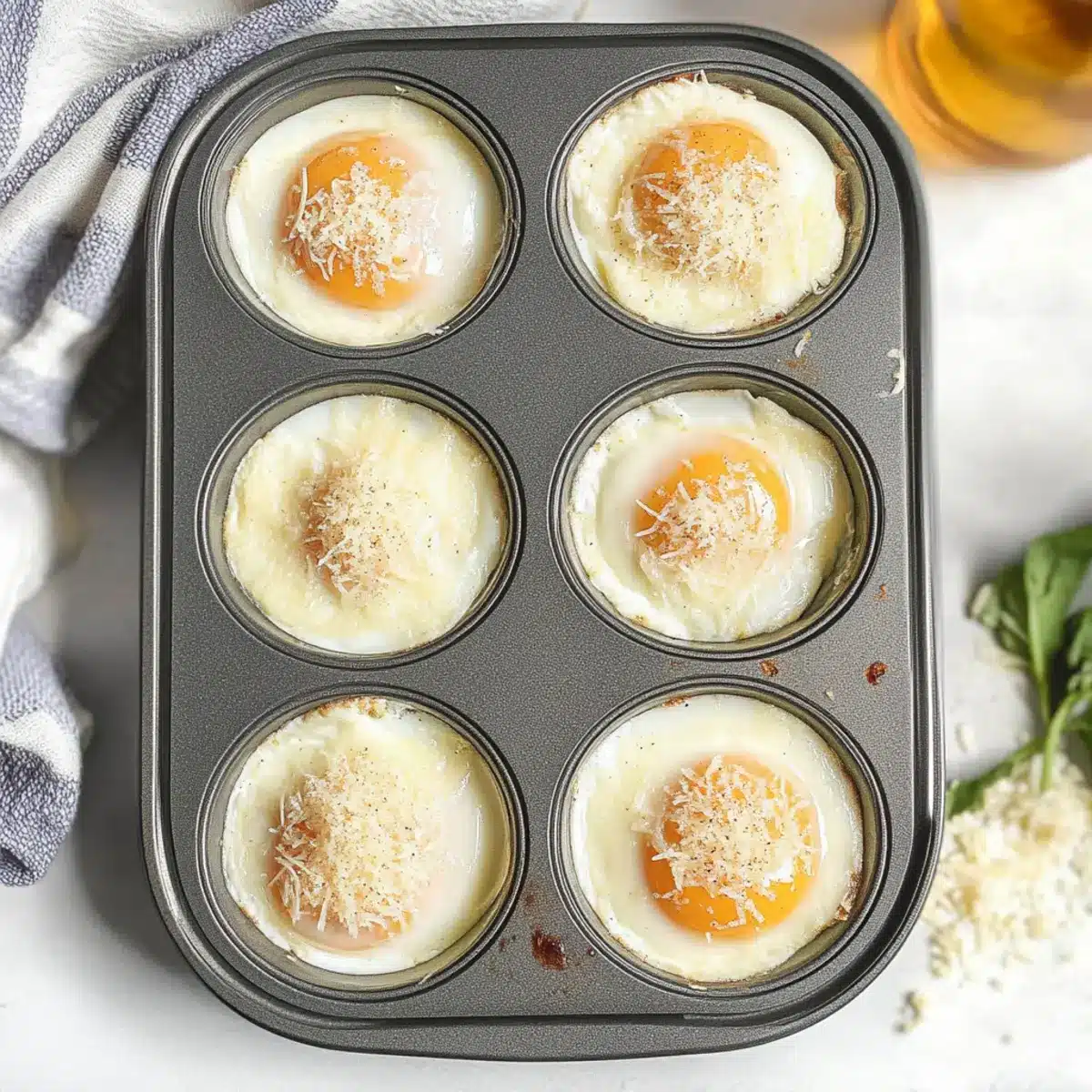
Delicious Baked French Eggs for Effortless Morning Bliss
Ingredients
Equipment
Method
- Preheat your oven to 425°F (220°C) and generously spray a muffin pan with butter-flavored cooking spray.
- Crack one egg into each muffin cup, ensuring not to break the yolk.
- Drizzle 1-2 teaspoons of heavy cream over each egg, sprinkle with salt and black pepper, and top with grated Parmesan cheese.
- Bake in the preheated oven for 7-12 minutes depending on desired doneness.
- Remove from the oven, cool slightly, and serve warm with an extra sprinkle of cheese.
Leave a Reply