
As I stood in my kitchen, the alluring scent of warm dough filled the air, instantly transporting me to bustling bazaars in Istanbul. Today, I’m sharing my recipe for No-Oven Turkish Bread, a delightful flatbread that’s not only perfect for wrapping your favorite fillings but also serves beautifully as dipping bread for hearty stews. With just a simple mix of accessible ingredients and a quick 1.5-hour prep time, it’s a fantastic option for busy weeknight dinners or weekend gatherings. What I love most about this recipe is its versatility—whether you choose to serve it with savory chicken shawarma or enjoy it alongside a comforting curry, you’re bound to impress your loved ones. Are you ready to transform your meals with this fluffy, homemade delight?
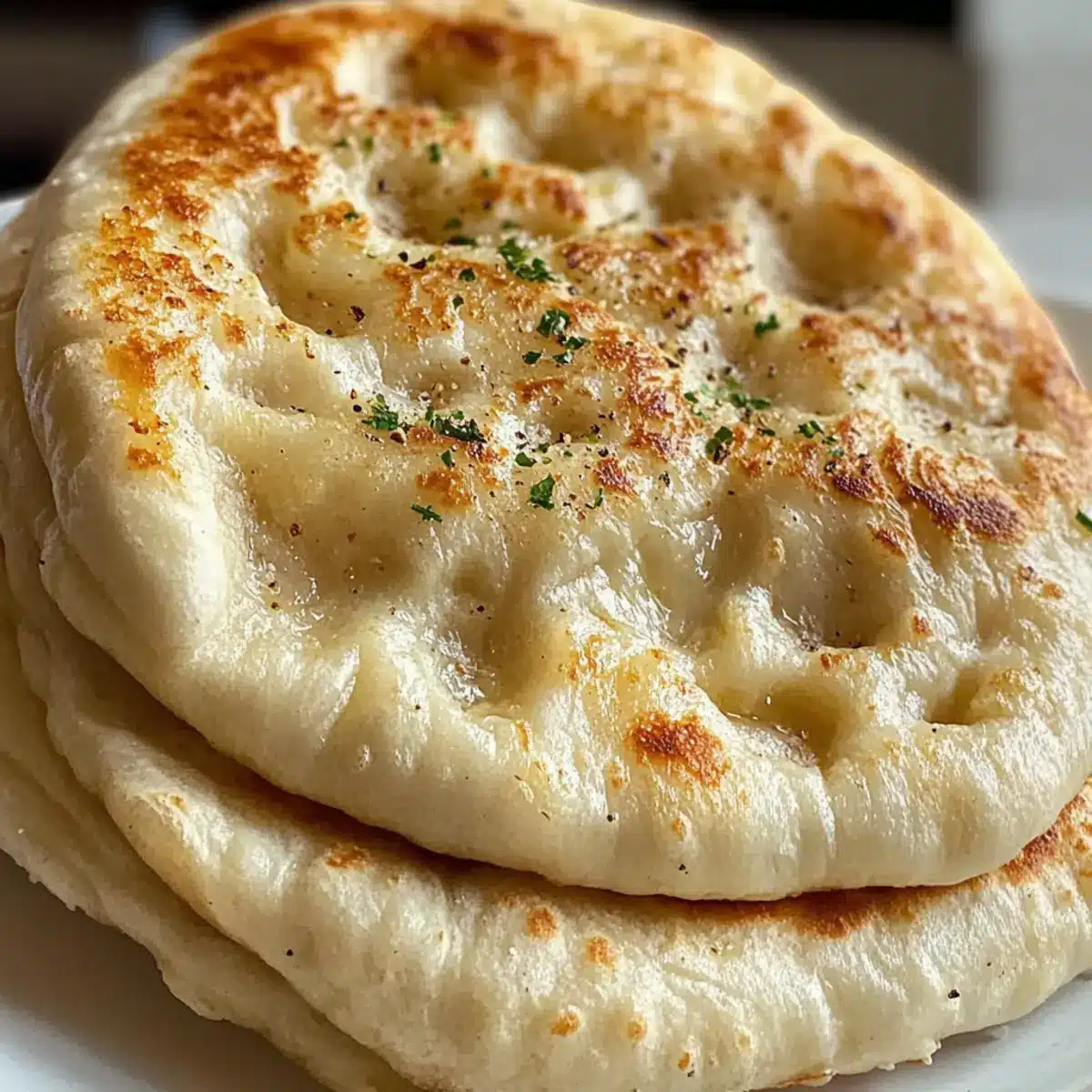
Why You’ll Love No-Oven Turkish Bread
Simplicity: This recipe requires minimal ingredients and kitchen skills, making it perfect for both novice cooks and seasoned chefs looking for an effortless dough option.
Versatile Uses: Whether you’re wrapping a savory chicken shawarma or using it as dipping bread for a rich curry, this Turkish bread will elevate your meals.
Fluffy Texture: The quick cooking method results in a delightful fluffy interior that complements any filling, beautifully mimicking traditional pita bread.
Quick Prep Time: In just 1.5 hours, you can whip up fresh bread, making it an ideal choice for busy weeknight dinners or casual weekend gatherings.
Impressive Appeal: Your family and friends will adore this bread, setting the stage for memorable meals. Pair it with Honey Butter Cornbread or serve it with some Pesto Chicken Flatbread for a true feast!
No-Oven Turkish Bread Ingredients
Unlock the secrets to making delightful flatbread without the need of an oven!
For the Dough
- Bread Flour or All-Purpose Flour – Provides structure to the bread; whole wheat flour works for a denser texture.
- Warm Milk – Imparts subtle richness and flavor; use non-dairy milk for a vegan option.
- Warm Water – Hydrates and activates yeast; no substitutes necessary, though milk can be used instead.
- Instant Dry Yeast – Lifts the bread for a fluffy outcome; active dry yeast can be substituted but may need proofing.
- Sugar – Enhances yeast activity and adds slight sweetness; honey can be a delicious substitute.
- Salt – Essential for flavor enhancement; avoid substitutes for best results.
- Melted Unsalted Butter (or Olive Oil) – Adds richness and flavor; garlic butter can be a tasty alternative.
- Chopped Parsley – Optional topping for freshness; omit or use sesame seeds for a different flavor twist.
Optional Toppings
- Sesame Seeds – Sprinkle before cooking for an added crunch and flavor.
- Za’atar – A delightful Middle Eastern herb blend that can elevate the taste of your flatbread.
This No-Oven Turkish Bread is truly a versatile addition to your culinary repertoire!
Step‑by‑Step Instructions for No-Oven Turkish Bread
Step 1: Combine Ingredients
In a medium-sized bowl, mix together 1 cup of warm milk, 1/2 cup of warm water, 1 tablespoon of sugar, and 2 teaspoons of instant dry yeast. Stir gently until the yeast and sugar dissolve completely. This mixture will become bubbly and fragrant, indicating that the yeast is activated. Let it sit for about 5 minutes while you prepare the dry ingredients.
Step 2: Make the Dough
Add 3 cups of bread flour and 1 teaspoon of salt to the yeast mixture. Use a wooden spoon or your hands to combine the ingredients until a sticky dough forms. Once combined, transfer the dough to a clean, floured surface and knead for about 10 minutes until the dough is smooth and no longer sticky. You’ll know it’s ready when it bounces back after a gentle press.
Step 3: Let the Dough Rise
Shape the kneaded dough into a ball and place it in a greased bowl, covering it with a clean cloth to keep the warmth in. Allow the dough to proof in a warm spot for about 1 hour, or until it doubles in size. It should feel light and airy when you gently poke it—it’s an exciting moment seeing the transformation!
Step 4: Divide and Shape the Dough
Once risen, punch the dough down gently to release any air bubbles. Divide the dough into 6 equal pieces, rolling each piece into a ball. Cover the balls with a plastic bag or a damp cloth to rest for about 15 minutes. This rest time relaxes the gluten, making it easier to roll out later.
Step 5: Roll Out the Dough
On a lightly floured surface, take one dough ball and use a rolling pin to flatten it into an 18 cm round, approximately 5 mm thick. You may dust the surface lightly to prevent sticking. Repeat this process with the remaining dough balls, ensuring they’re evenly sized for uniform cooking.
Step 6: Heat the Pan
Preheat a thick pan or skillet over medium heat for about 5 minutes; you want it hot but not smoking. A good test is to flick a drop of water onto the surface—if it dances and evaporates, your pan is ready for the No-Oven Turkish Bread!
Step 7: Cook the Bread
Place one round of dough into the hot pan and cook for 2-3 minutes, or until it begins to puff and bubble, with golden spots forming on the underside. Flip it over and cook for another 2-3 minutes until puffed and cooked through. Repeat with each round, adding more dough to the pan as space allows, and adjusting the heat if necessary.
Step 8: Add Finishing Touches
Once each piece of bread is cooked, remove it from the pan and brush with melted butter or olive oil while still warm. This step adds a delightful richness and flavor to the No-Oven Turkish Bread. If desired, sprinkle with chopped parsley or sesame seeds for an aromatic touch before serving.
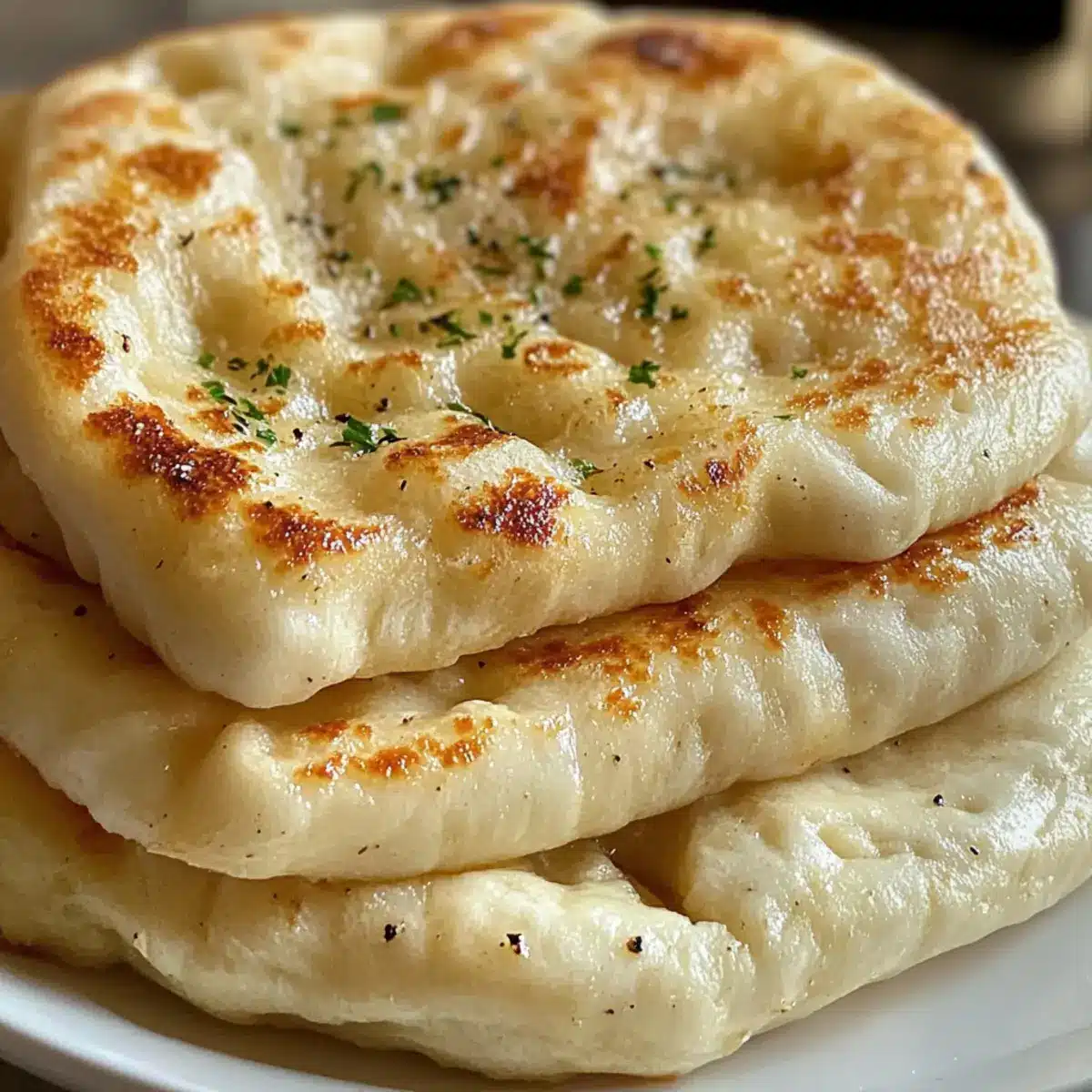
How to Store and Freeze No-Oven Turkish Bread
Fridge: Store leftover No-Oven Turkish Bread in an airtight container for up to 2 days to maintain its freshness and softness.
Freezer: Wrap individual pieces tightly in plastic wrap and then place them in a zip-top freezer bag. They can be frozen for up to 3 months without losing flavor or texture.
Reheating: To enjoy frozen bread, let it thaw in the fridge overnight. Reheat on a skillet over low heat for a couple of minutes on each side, brushing with a bit of melted butter or olive oil for extra flavor.
Room Temperature: If you plan to consume the bread within a few hours, you can keep it at room temperature, covered with a clean cloth to prevent drying out.
What to Serve with No-Oven Turkish Bread
As you savor the fluffy goodness of this homemade flatbread, consider complementing it with lively flavors and textures that enhance your meal experience.
- Savory Chicken Shawarma: The spices in chicken shawarma pair perfectly with the soft bread, making each bite a flavor explosion.
- Hearty Vegetable Curry: The rich and creamy texture dips beautifully into the bread, providing a delightful contrast with each bite.
- Grilled Halloumi and Veggies: A warm, cheesy filling provides a satisfying texture and savory notes that elevate your flatbread experience.
- Spicy Hummus Platter: The creamy texture of hummus, combined with a splash of spice, makes for an irresistible dip. Serve alongside fresh veggies for crunch!
- Chickpea Salad: A refreshing mix of herbs, lemon, and chickpeas provides a bright contrast to the warm, soft bread—perfect for a light meal.
- Tzatziki Sauce: This cooling cucumber and yogurt dip balances the heat from dishes, making it a wonderful accompaniment to Turkish bread.
- Minted Yogurt Sauce: Bright and tangy, this sauce adds a fresh burst of flavor that complements richer dishes beautifully.
- Dessert Option – Baklava: Enjoy a sweet ending with the flaky, nutty layers of baklava; the sweetness will playfully contrast with the bread’s savory nature.
Enjoy the journey of flavors and let each bite of dough wrap around personal favorites, creating culinary magic around your table!
Expert Tips for No-Oven Turkish Bread
-
Preheat Properly: Ensure your pan is sufficiently heated before cooking; a well-preheated pan ensures the fluffiest No-Oven Turkish Bread.
-
Monitor Cooking Time: Watch your bread closely while cooking; overcooking can lead to a tough texture. Aim for that perfect puffed up, golden-brown exterior.
-
Knead Well: Don’t rush the kneading process. Kneading until the dough is smooth and elastic is key to achieving the desired fluffy texture.
-
Rest Period: Allowing the dough to rest not only eases rolling but also cultivates a lighter texture; be patient and let it rise fully for the best results.
-
Add Flavor: Feel free to experiment with additional spices in your dough, like garlic powder or cumin, to create a unique twist on this classic No-Oven Turkish Bread.
Make Ahead Options
These No-Oven Turkish Bread are perfect for meal prep, allowing you to enjoy fresh bread with ease! You can prepare the dough up to 24 hours ahead of time by following the first two steps of mixing the ingredients and kneading the dough. After the initial rise, simply cover it tightly in plastic wrap and refrigerate it. When you’re ready to serve, bring the dough back to room temperature, divide, and shape it, allowing for a quick second rise. For the best quality, cook the bread on the same day you roll it out to keep that fluffy, airy texture just right.
No-Oven Turkish Bread Variations
Feeling adventurous? Let your culinary creativity shine by customizing this delicious recipe!
-
Whole Wheat Swap: Substitute whole wheat flour for a heartier bread that adds a nutty flavor and extra fiber.
-
Dairy-Free Delight: Use almond or oat milk instead of warm milk for a vegan-friendly version bursting with plant-based goodness.
-
Herb-Infused: Add fresh herbs like thyme or rosemary to the dough for an aromatic twist that elevates your bread to the next level.
-
Spiced Up: Incorporate spices such as garlic powder, cumin, or paprika into the dough for a flavor-packed experience.
-
Tasty Toppings: Sprinkle sesame seeds or za’atar before cooking to introduce delightful textures and flavors while baking.
-
Stuffed Bread: Roll the dough around your favorite fillings, such as cheese or cooked vegetables, before cooking for a fun twist on classic flatbread.
-
Sweet Addition: Turn this recipe into a sweet treat by adding a tablespoon of cinnamon and sugar for a delightful breakfast or dessert option. Enjoy with a drizzle of honey!
-
Serve with Dips: Pair this Turkish bread with creamy dips like hummus or tzatziki, similar to enjoying it alongside a hearty butter chicken curry or teriyaki meatballs.
Let your imagination run wild, and feel free to get inspired by other delightful recipes, such as Honey Butter Cornbread and Pesto Chicken Flatbread!

No-Oven Turkish Bread Recipe FAQs
How do I choose the right flour for the No-Oven Turkish Bread?
For this recipe, I recommend using bread flour or all-purpose flour, which provides the right structure. If you’re looking for a heartier option, whole wheat flour can be a great substitute. Just remember, whole wheat will yield a denser texture that still tastes delicious!
How should I store leftover Turkish bread?
To keep your No-Oven Turkish Bread fresh, place it in an airtight container at room temperature for up to 2 days. If you want to extend its shelf life, you can freeze individual pieces. Wrap each piece tightly in plastic wrap, then place them in a zip-top freezer bag, and they’ll last up to 3 months!
Can I freeze No-Oven Turkish Bread?
Absolutely! Freezing is a great way to ensure you always have some on hand. Just follow these steps:
- Wrap each piece of bread tightly in plastic wrap.
- Place the wrapped pieces into a zip-top freezer bag, removing as much air as possible.
- Label the bag with the date for easy reference. When you’re ready to enjoy, simply thaw overnight in the fridge and reheat in a skillet for a couple of minutes.
What should I do if my dough doesn’t rise?
If your dough doesn’t rise, there are a few troubleshooting tips. First, ensure your yeast is fresh—expired yeast will not activate. If the yeast is good, check the temperature of the liquid; it should be warm (not hot) to activate the yeast. Additionally, if your kitchen is cool, try placing the dough in a warmer area, like near a preheated oven, to promote rising.
Are there any dietary considerations for this bread?
Yes, if you’re making No-Oven Turkish Bread and have dietary restrictions: it’s easily adaptable! For vegan options, substitute warm milk with non-dairy milk. Those with gluten sensitivity can replace the flour with a gluten-free blend that includes xanthan gum. Just be sure to follow the instructions specific to your gluten-free flour for the best texture.
How long does it take to make No-Oven Turkish Bread?
The entire process takes about 1.5 hours. This includes mixing the ingredients, allowing the dough to rise for an hour, and cooking the bread for about 15-20 minutes. Perfect for busy weeknights or last-minute gatherings!
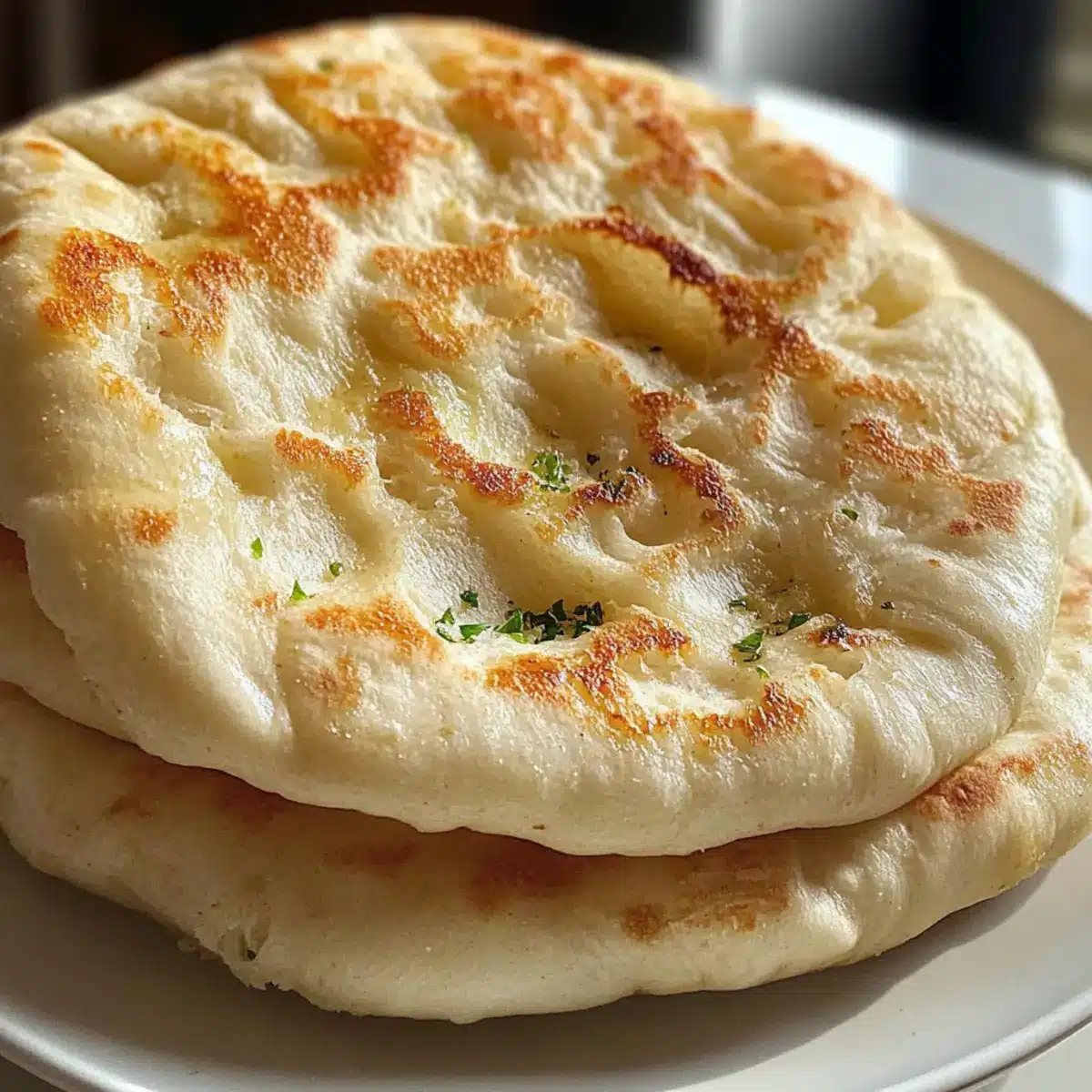
No-Oven Turkish Bread: Fluffy and Easy for Any Meal
Ingredients
Equipment
Method
- In a medium-sized bowl, mix together warm milk, warm water, sugar, and instant dry yeast. Stir gently until dissolved and let it sit for 5 minutes.
- Add bread flour and salt to the yeast mixture. Combine until a sticky dough forms, then knead for about 10 minutes until smooth.
- Shape the kneaded dough into a ball, place it in a greased bowl, cover, and let it rise in a warm spot for about 1 hour.
- Once risen, punch down gently, divide dough into 6 pieces, and let them rest for 15 minutes.
- Roll each dough ball into an 18 cm round, approximately 5 mm thick on a floured surface.
- Preheat a thick pan or skillet over medium heat for about 5 minutes.
- Cook each round of dough for 2-3 minutes until puffed and golden, flipping it to cook the other side for another 2-3 minutes.
- Remove from the pan, brush with melted butter or olive oil, and sprinkle with optional toppings before serving.
Leave a Reply